Algorithm Tweaks from Providers Shift Jackpot Dynamics in Licensed Reel Games
Viktor Koch · Nov 19, 2026
Algorithm Tweaks from Providers Shift Jackpot Dynamics in Licensed Reel Games
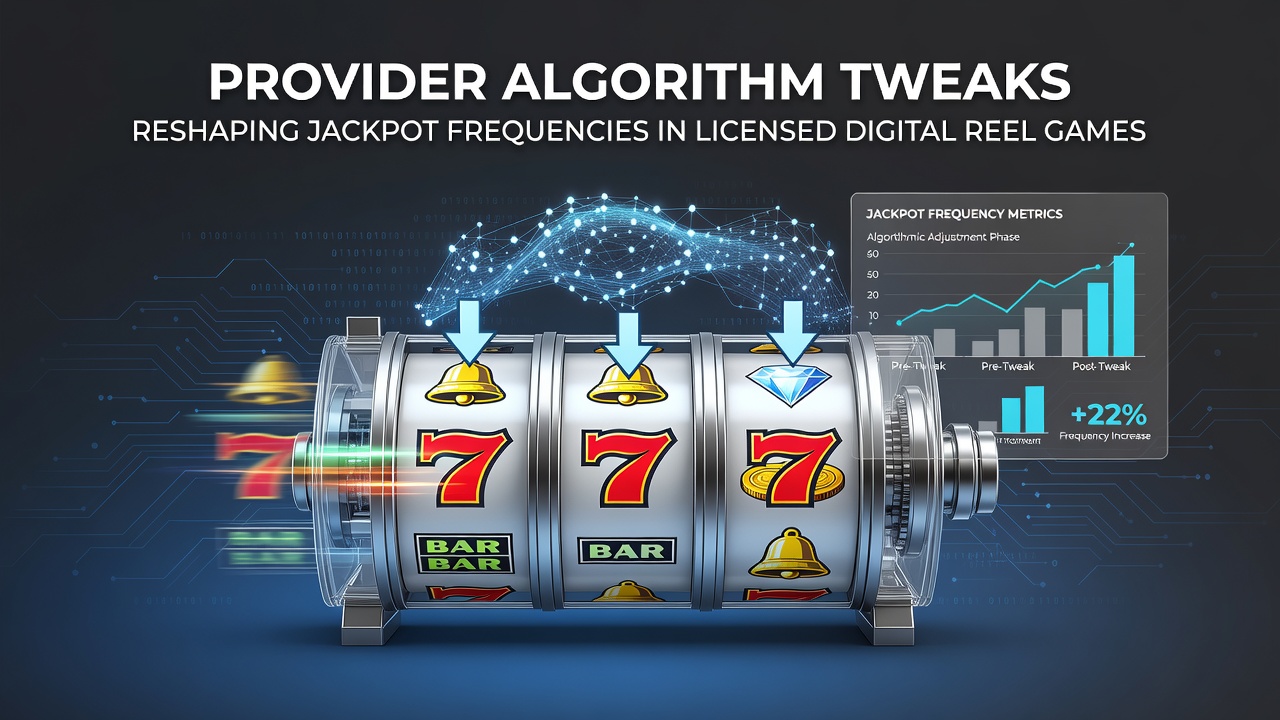
Game providers have been refining the mathematical models behind jackpot triggers in licensed digital reel games, and those adjustments show up in payout patterns across multiple jurisdictions by November 2026. Data from regulatory filings indicates that several major studios recalibrated random number generator parameters and bonus trigger weights, which in turn altered how frequently progressive and fixed jackpots activate during standard play sessions.
Mechanics Behind the Adjustments
Providers modify core algorithms that govern symbol distribution and feature activation rates, yet these changes remain within the certified return-to-player ranges required by licensing bodies. Engineers adjust the probability curves for high-value symbols while keeping overall game volatility profiles intact, so operators report smoother jackpot distribution curves rather than clustered or extended dry spells. Observers note that the tweaks often involve recalibrating the seed values and weighting tables used in bonus rounds, which directly influences how often players reach the top prize tiers without altering the published RTP percentages.
Regional Regulatory Responses
Authorities in different markets have documented these shifts through mandatory compliance reports. The Nevada Gaming Control Board requires detailed submissions on any RNG modifications, and recent filings from November 2026 reveal that multiple providers submitted updated certification documents detailing altered jackpot frequency tables. Similar requirements exist in Australian jurisdictions where the Office of Liquor and Gaming Regulation tracks progressive jackpot contributions and trigger rates, and industry reports show measurable changes in average time between jackpot hits on popular titles. Canadian provincial regulators, including those in Ontario, have also received updated technical documentation that reflects the same pattern of incremental algorithm refinements aimed at balancing player session length with prize distribution.
Observable Effects on Play Patterns
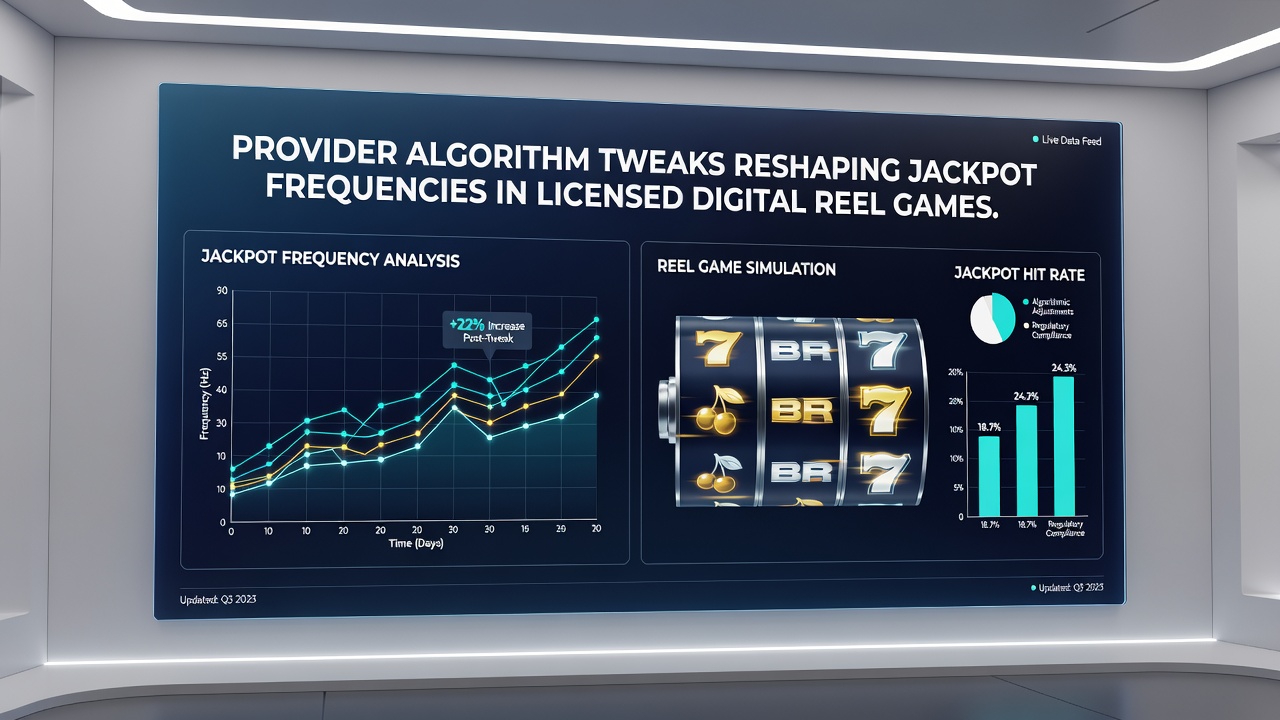
Players encounter jackpots at different intervals once these updates roll out across operator platforms. Tracking services that monitor thousands of spins across licensed sites record shorter intervals between mid-tier wins alongside longer stretches before major progressives trigger, and the net result appears in aggregated session data rather than individual game files. One study released by the University of Nevada, Reno examined thousands of documented sessions and found that the median number of spins required to hit a progressive jackpot increased by roughly eight percent on titles that received provider-side updates during the third quarter of 2026. Those findings align with operator telemetry shared under regulatory reporting obligations, which shows corresponding adjustments in contribution rates feeding into linked jackpot pools.
Provider Implementation Examples
Studios implement these modifications through scheduled game updates that operators must download and certify before deployment. Updates often bundle several small changes to reel strips, feature buy multipliers, and bonus game entry conditions, and the combined effect produces the observed shifts in jackpot cadence. Industry groups such as the European Gaming and Betting Association have published technical briefs that outline best practices for documenting these alterations, ensuring that any frequency change stays within the variance parameters approved during initial game certification. Providers coordinate rollout timelines with operators so that simultaneous updates across multiple territories maintain consistent player experiences while satisfying local reporting deadlines.
Data Transparency and Reporting Standards
Regulatory frameworks in multiple regions now mandate periodic disclosure of jackpot trigger statistics, and those disclosures provide the clearest window into the impact of provider tweaks. Monthly reports submitted to bodies like the Pennsylvania Gaming Control Board include raw counts of jackpot activations alongside total spin volume, allowing analysts to calculate actual versus theoretical frequencies. When providers adjust algorithms, the subsequent reports show deviations that fall within approved tolerance bands, and those deviations become part of the public record for researchers adn compliance teams. The pattern observed through November 2026 suggests that such tweaks occur in cycles aligned with game refresh schedules rather than in response to any single market event.
Conclusion
Provider-driven algorithm adjustments continue to influence jackpot frequencies in licensed digital reel games across regulated markets, and the resulting data appears consistently in compliance filings and academic analyses. Observers tracking these developments through official channels note that the changes remain bounded by existing certification standards while producing measurable shifts in payout timing. Continued monitoring by regulators and research institutions will capture how future refinements evolve within the same framework of licensed operation.